
Cross-Cultural Relationships: Myths vs. Real-Life Experience
Dating someone from a different culture raises real questions about language, family and expectations - but many popular assumptions do not match how these relationships actually work. Here is what separates genuine cultural differences in relationships from the myths that keep men from ever starting the conversation.
The Most Common Myths About Dating Someone From a Different Culture
The biggest myth about dating someone from a different culture is that "she's not like the others" - the truth is that Slavic women are not a single type at all. Ukrainian women today work as professionals, entrepreneurs, students and mothers across every career field, and many value personal growth and independence alongside close family connections and emotional support. Reducing an entire nationality to one personality profile sets a relationship up to misread the actual person in front of it.
A second myth is that cultural differences make communication impossible from the start. In practice, most misunderstandings come from small gaps rather than an unbridgeable divide: a different sense of humor, a different pace for sharing personal details, or a different comfort level with directness. These gaps close with ordinary effort - patience, open-mindedness and a genuine willingness to learn a partner's lifestyle are usually enough, sometimes supported by cultural sensitivity resources built for cross-border couples.
The third myth: that a serious cross-cultural relationship must feel "casual" longer than a local one. In many Slavic cultures the opposite is true - dating is often approached with more seriousness of intent earlier, not less, which surprises men used to a slower, more ambiguous local dating culture.
Good communication built on honesty, respect and compromise remains the real foundation of a successful cross-cultural union - not shared nationality. Couples who treat cultural differences in relationships as something to learn from, rather than something to overcome, tend to describe the process as enriching rather than exhausting. You can see this range of backgrounds firsthand on our Ukrainian Dating category page, where verified member profiles reflect exactly this diversity.
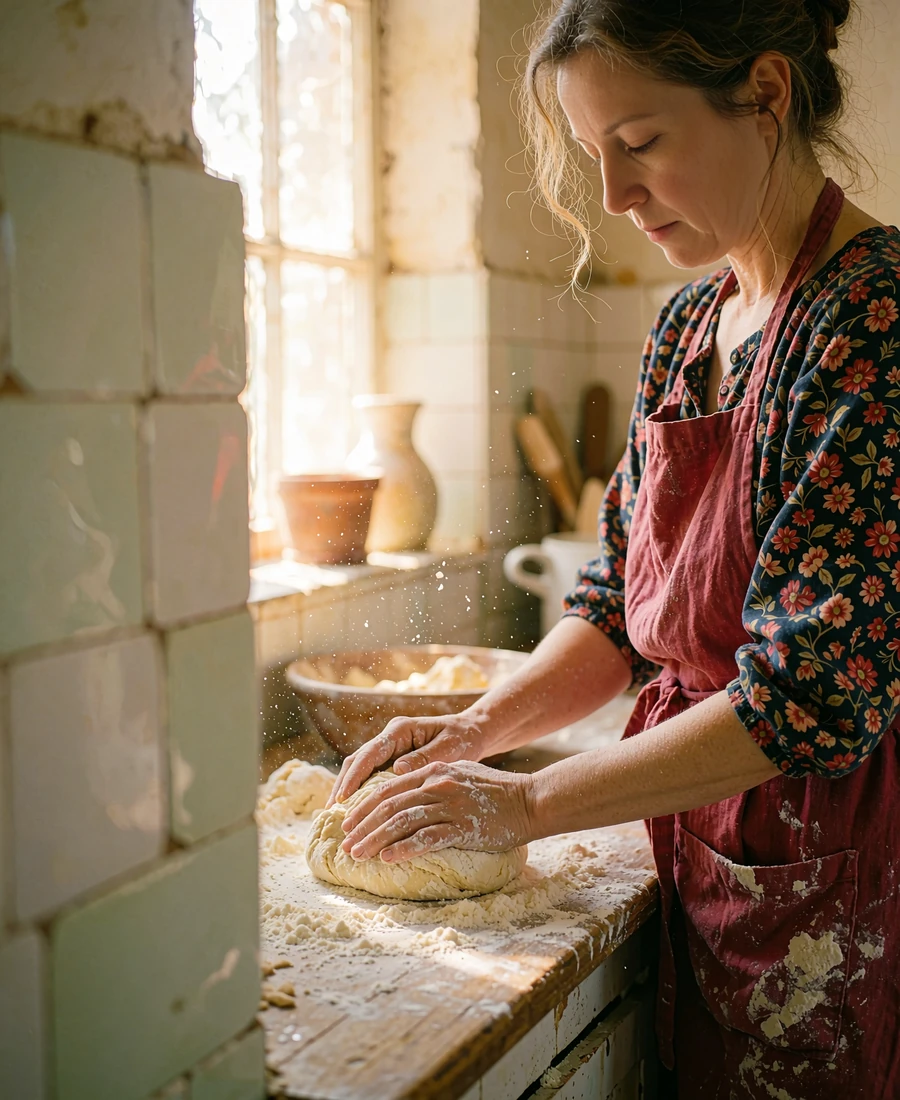
Day-to-day reality
What Real Cultural Differences Look Like Day to Day
Once the myths are cleared away, two areas account for most genuine friction: how a couple talks to each other, and how much a partner's family is involved in the relationship.
Communication style and language
Most Slavic women are proficient in English, so language rarely blocks a relationship outright. What does require adjustment is directness: many communicate more plainly than men are used to at home. Learning a few words in her mother tongue signals respect and effort, and often does more for closeness than fluency ever could.
Family approval and involvement
Family opinion carries real weight in Slavic culture, and being introduced to a partner's parents is treated as a serious signal of commitment, not a casual formality. Expect the relationship's future to be a shared family conversation earlier than in a typical Western courtship, not something discussed privately for months first.
What actually works
How Couples Bridge Cultural Differences in Relationships
Couples who navigate cultural differences well tend to lean on the same three habits, whatever their two backgrounds happen to be.
Curiosity
Taking a genuine interest in her cultural festivities, cuisine and traditions bridges more ground than any single conversation about "differences." Curiosity turns an unfamiliar custom into something shared instead of something foreign.
Language
Neither partner needs fluency for language to stop being a barrier. A handful of phrases in her language, paired with patience during video calls, carries the relationship further than relying on English alone.
Rituals
Building small shared rituals - a weekly call, a holiday celebrated together on screen - gives the relationship its own culture, separate from either partner's home country, that both people help create.
- Platform overview How verification, translation support and private messaging work together on one page.
- Polish Dating Cultural context, verified member profiles and family traditions in Poland.
- Time Zone Routines Building a communication schedule that respects both partners' calendars.
Practical habits
Small Adjustments That Prevent Big Misunderstandings
The relationships that hold up over distance and time zones share a few ordinary habits, not a grand cultural theory.
-

Agree early on how you will handle major holidays - whose calendar takes priority, and when. Deciding this before the first holiday arrives avoids treating it as a last-minute negotiation.
-
When a first family visit is planned, ask what is expected rather than guessing from your own customs - small gestures like bringing a gift for her parents matter more than they might at home.
-
Talk through household expectations - finances, roles, where you would eventually live - before they become assumptions. Our guide to healthy boundaries in cross-border relationships covers how to raise these topics early without it feeling transactional.
Common questions
Frequently Asked Questions
What is it like dating a Slavic girl?
What are the rules for dating a Slavic girl?
What are Slavic women known for?
Browse by country
Popular Categories
Each country page covers local dating culture, verified member profiles and the practicalities of meeting in person.
Curiosity Beats Assumption
Cross-cultural marriage statistics aside, the relationships that last are built by two people willing to learn each other's world rather than assume it. Cultural differences in relationships are not obstacles to route around - they are simply part of getting to know someone worth knowing.
Join free and start a cross-cultural conversation with a verified profile.