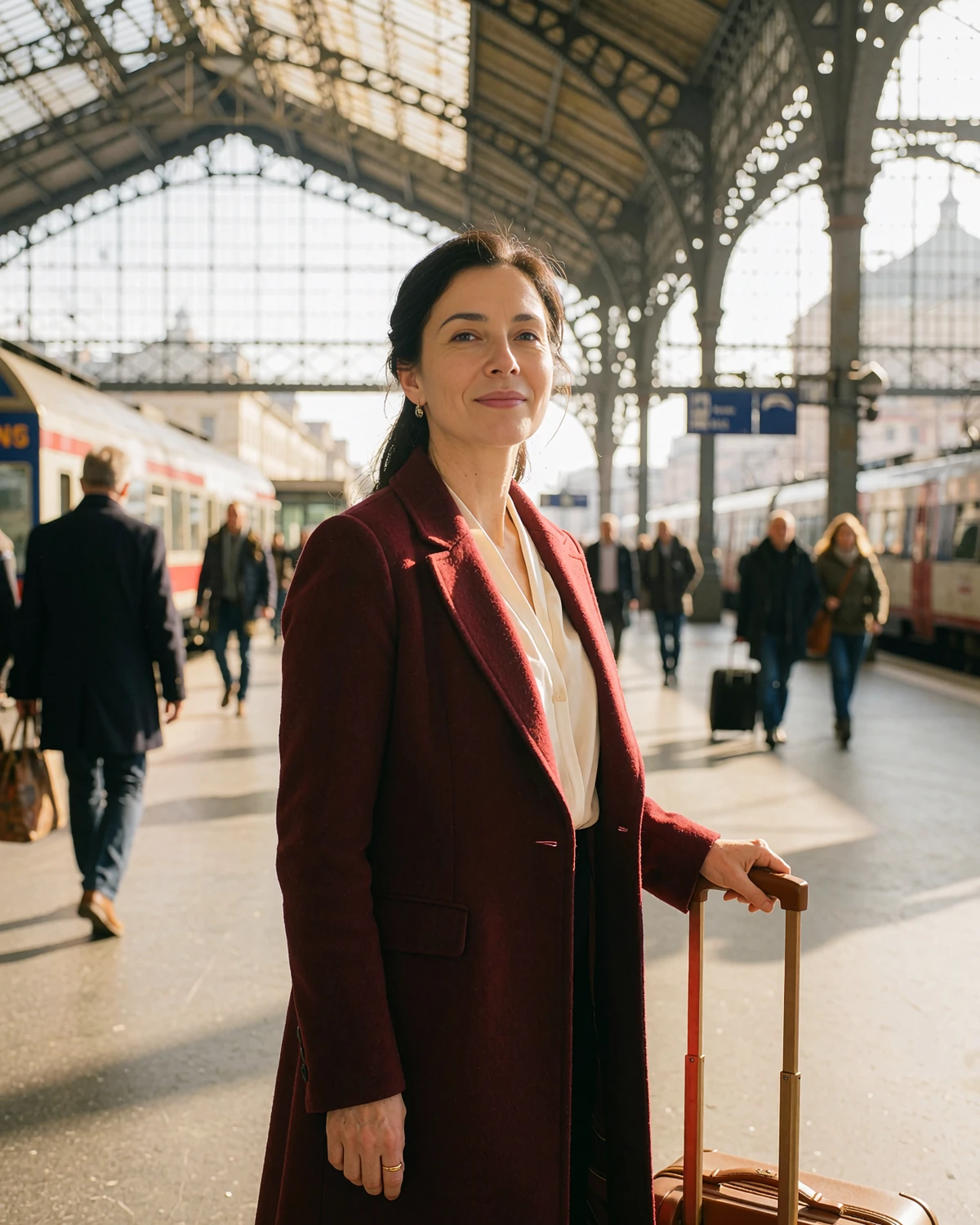
From First Message to Relocation: Success Story Patterns That Work
A successful international relationship follows a repeatable pattern: a specific first message that shows genuine interest, steady live video contact that builds trust, a real in-person visit that satisfies K-1 visa requirements, and finally the paperwork itself. Here is how the sequence typically unfolds, stage by stage.
How to Start a Conversation on a Dating App
Getting a reply starts with proving you actually read her profile. Generic openers like “Hey, beautiful” rarely get an answer, because a message that could be sent to anyone reads as insincere — and Slavic women often notice that instantly. The stronger approach references one specific detail and asks a single open question: something like “I saw you love hiking in the Carpathians — what's your favorite trail so far?” or “Your photo from Prague looks amazing. Have you tried traditional Czech food there?” Both examples work because they prove attention and invite a real answer rather than a yes-or-no reply.
From there, keep the exchange balanced. Ask a question, then share something honest about yourself in return, and use light humor rather than heavy flattery. Persistence matters more than perfect timing — a thoughtful follow-up after a quiet day rarely hurts — but overwhelming someone with messages does. For men who want something serious rather than casual chatting, stating that intention early, once rapport exists, tends to move the conversation toward real compatibility faster than weeks of small talk. Many of these first conversations begin on a category-specific profile page; women browsing our Ukrainian dating listings, for example, generally respond better to a direct, purposeful message than to a generic line.

What actually works
The Four Patterns Successful Couples Repeat
Across the stories we hear, four habits show up again and again between a strong first message and a life built together.
A specific first message
The opening line references something concrete from her profile — a hobby, a travel photo, a favorite book — and closes with one open question. It signals genuine attention rather than a copy-pasted line sent to a dozen other women, and it is far more likely to earn a real reply.
Moving to live video quickly
Couples who move from text to scheduled video calls within the first few weeks build trust faster than those who stay on messaging alone. Seeing and hearing each other consistently confirms both people are genuine and helps gauge whether the connection has real potential.
A real in-person visit
USCIS requires proof that a couple met face-to-face at least once within the two years before filing a K-1 petition. Photos together, passport stamps, boarding passes and hotel receipts are the standard evidence — video calls alone do not satisfy this requirement.
Aligned timelines before paperwork
Before any forms are filed, both partners typically align on where they will live, how work and family obligations fit the plan, and what months of processing will involve. Agreeing on the timeline early reduces the stress that incomplete or rushed paperwork tends to create.
Plan with real numbers
K-1 Visa Timeline and Cost at a Glance
Knowing the pace and the price in advance keeps expectations realistic once the relationship moves toward relocation.
Four stages, 10–16 months
As of 2026, the K-1 fiancé visa process has four main stages with a total estimated time of 10 to 16 months. Processing times vary by USCIS service center, the specific embassy and how complete the application is — incomplete petitions or missing documents are the most common cause of delays.
- Stage 1 I-129F Petition with USCIS — 6–9 months
- Stage 2 NVC Processing — 4–6 weeks
- Stage 3 Embassy Interview — 2–4 months
- Stage 4 Visa Issuance & Travel — 1–2 months
Every petition must also include evidence of the in-person meeting described above, along with documentation supporting a genuine relationship — the kind of proof that careful identity verification and message records can help a couple assemble as the relationship develops.
Government fees are separate from the timeline and add up across several stages:
| Government Fee | Amount | Paid To |
|---|---|---|
| I-129F Filing Fee | $535 | USCIS |
| DS-160 Visa Application | $265 | U.S. Embassy |
| Medical Examination | $200–$500 | Approved physician |
| I-485 Adjustment of Status | $1,225 | USCIS |
| I-751 Remove Conditions | $750 | USCIS |
| Total estimated government fees | $2,975–$3,275 | |
These figures reflect government fees only; attorney fees are separate and vary by case complexity. Because timelines and requirements can change, review your specific situation with a licensed immigration attorney before filing.
How it tends to unfold
A Typical Path, Stage by Stage
Every relationship moves at its own pace, but the general shape of a successful one follows three recognizable stages.
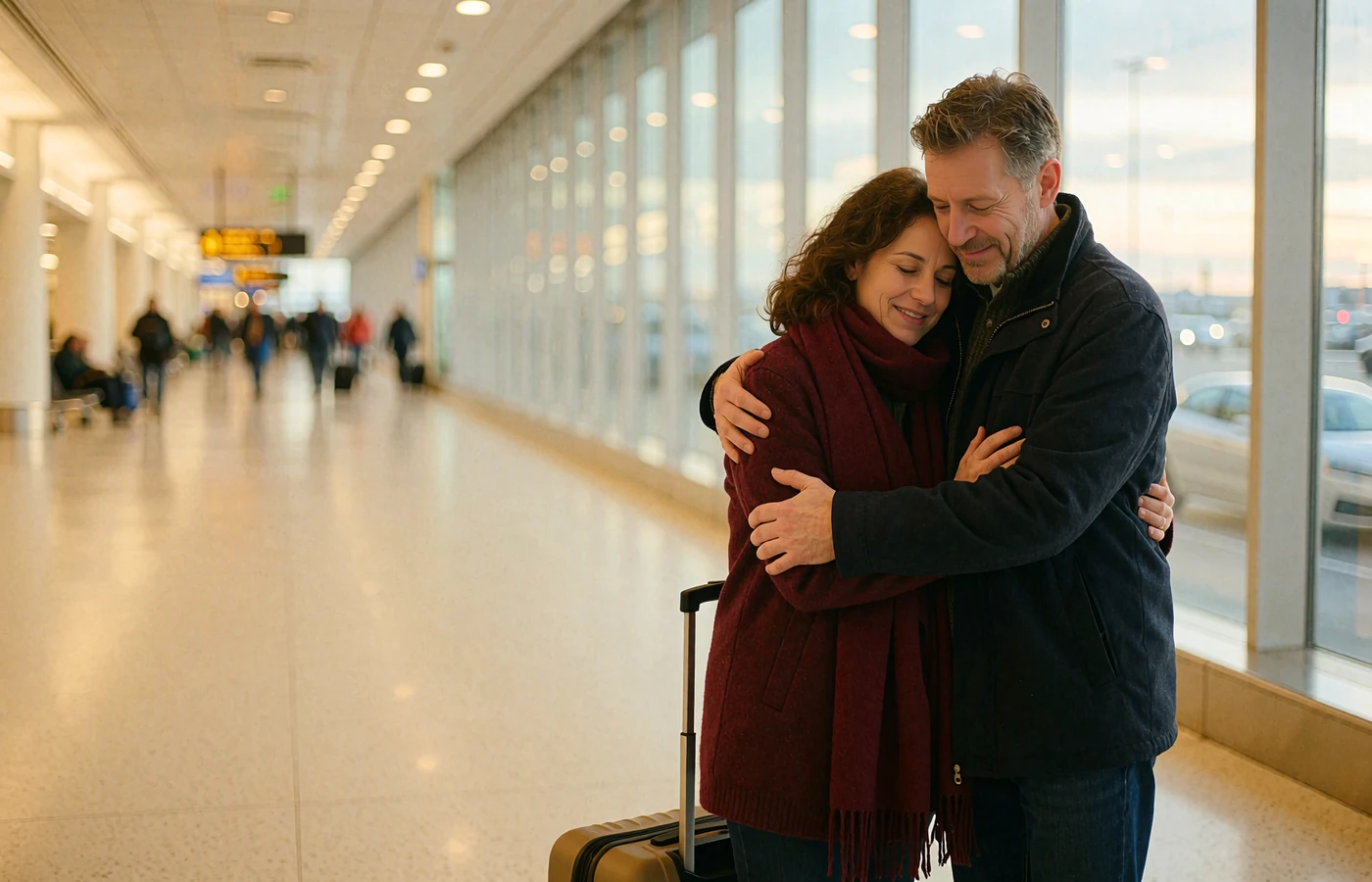
First Message
It begins with one message that references something real from her profile and asks a genuine question. What follows over the next weeks is steady, scheduled contact — not constant messaging, but a rhythm both people can sustain around work and time zones.
First Visit
After weeks or months of consistent video calls, a trip is planned. The in-person meeting confirms the connection face to face and becomes the documented proof — photos, boarding passes, hotel records — that a K-1 petition will later require.
First Home Together
Once both partners agree on the path forward, the paperwork begins: the I-129F petition, then NVC processing, the embassy interview, and finally the visa itself. Ten to sixteen months after filing, the couple builds a shared home in the United States.
- Platform overview How verification, private messaging and country search fit together on one page.
- Ukrainian Dating Cultural context and verified profiles on the country page where many of these conversations start.
- Communication Routines How busy professionals keep a steady video-call rhythm across time zones.


Browse by country
Popular Categories
Each country page covers local dating culture, verified member profiles and the practicalities of meeting in person.
Before you start
Frequently Asked Questions
How long does the K-1 visa process take?
Can an American marry an Ukrainian woman?
What are the challenges of marrying a Ukraine bride?
Start With One Honest Message
Every relocation we've described started the same way — with one honest, specific message. You don't need a perfect opening line, just a genuine question about something real in her profile. From there, steady contact, a real visit and a clear-eyed look at the K-1 timeline and cost carry the rest.
Join free and browse verified profiles — no card required to look around.